Commercial Building Inspection
So what happens during a plumbing inspection?
Think of all the areas water flows in and out of your home. These are the areas that a professional assessment will cover. That includes your piping, sinks, faucets, toilets, and other appliances. Even your water lines will be covered. While your water heater and toilets will receive special attention, an experienced plumber looks to examine the complete health of your system. That means testing for proper water pressure. After all, too much pressure can damage your plumbing, and too little can leave your home with dysfunctional water appliances.

A plumbing inspection can help protect a home buyer from making a bad investment. If you’re a first time home buyer, knowing when to get a plumbing inspection can help you make a smart buying decision and can also help you purchase a home that will be right for you.

One of the most obvious times to get a plumbing inspection is when you see evidence of leaks in the home. Leaks can take many forms. Common evidence of leaks include:

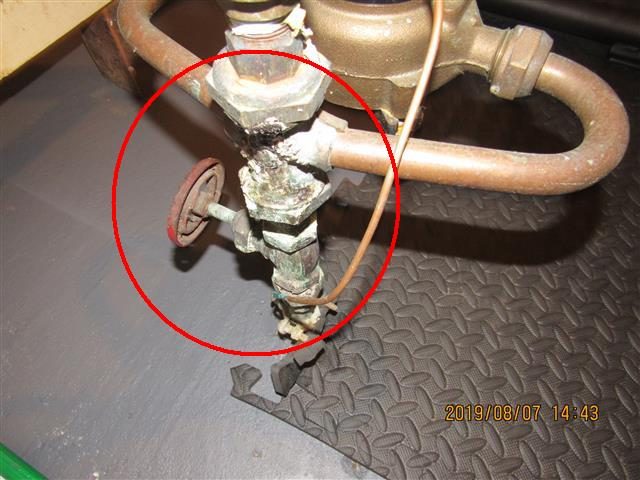
  • Corrosion on the pipes: Corrosion on the pipes can be a sign of frequent, long-term exposure to water
  • Water damage in the vicinity of pipes: Water damage under the sink, behind the toilet and in other plumbed areas of the  house could be a sign that the pipes need to be repaired
  • Mold and mildew in areas around the pipes: Look for mold and mildew in places under the sink, around the toilet and in other parts of the bathroom, basement and kitchen. Although mold could happen for other reasons, this could be a sign of a leak

Related Services

Sewer Scope Inspection Water Heater Inspection Moisture Intrusion Mold Testing

Frequently Asked Questions

What does a plumbing inspection cover?

We check water supply lines, drain lines, water heater, fixtures, toilets, water pressure, visible pipe material and condition, shut-off valves, and signs of leaks or water damage throughout the home.

What plumbing problems are common in New Ulm homes?

Older New Ulm homes often have galvanized steel pipes (prone to corrosion), polybutylene supply lines (prone to failure), aging water heaters, and frozen pipe risks in Minnesota winters.

Should I add a sewer scope to my plumbing inspection?

Yes, especially for homes over 25 years old. A sewer scope reveals root intrusion, bellied pipes, and deterioration that aren't visible during a standard plumbing inspection. It's one of our most recommended add-ons.

Areas We Serve

Mankato | St. Peter | Sleepy Eye | Springfield | Nicollet | Lake Crystal | Fairmont | Waseca | Hutchinson | Redwood Falls | Madelia | Gaylord | Arlington | Blue Earth | Le Sueur | Glencoe | Marshall | Willmar | Radon Testing | Reviews | Articles & Tips

Also serving: Courtland, Comfrey, Hanska, Gibbon, Winthrop, Morgan, Lafayette, Henderson, Belle Plaine, Litchfield, Lester Prairie, Waterville, Le Center & all of southern Minnesota

View Our Google Business Profile & Reviews

Home Inspector New Ulm MN | (507) 205-7067 | Serving Southern Minnesota

Get Your Instant Inspection Quote

Powered by InspectorData